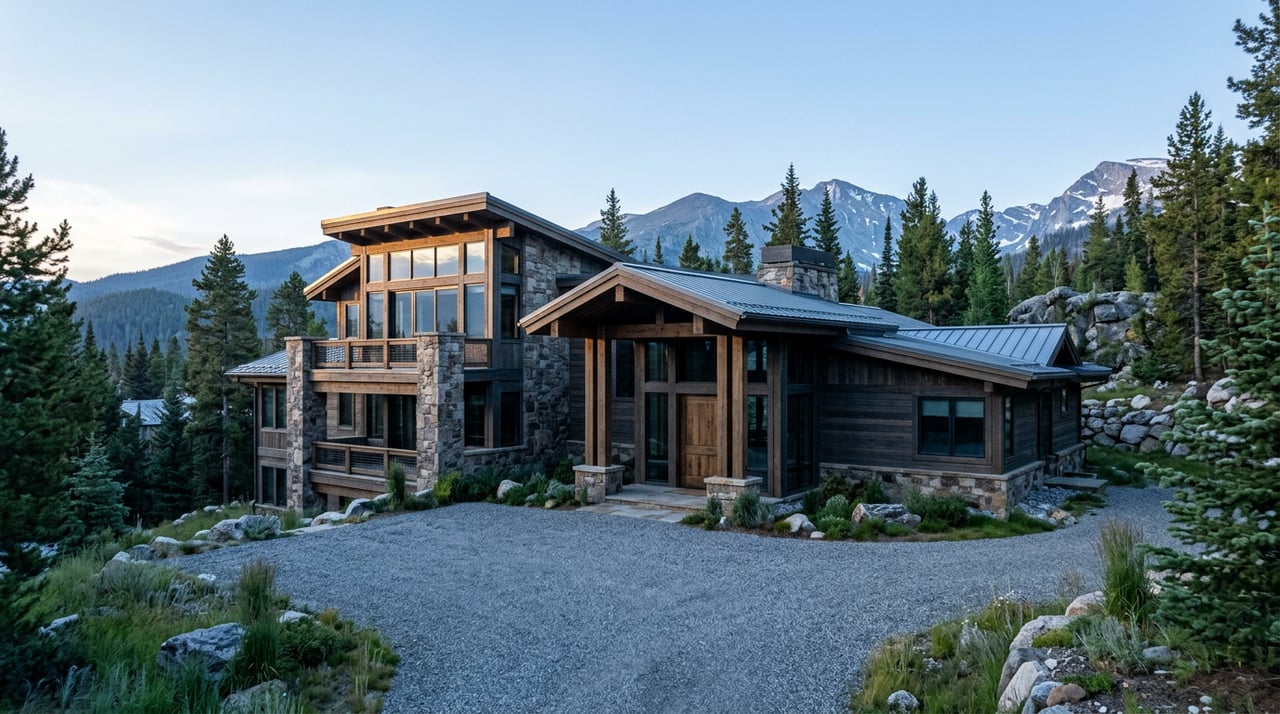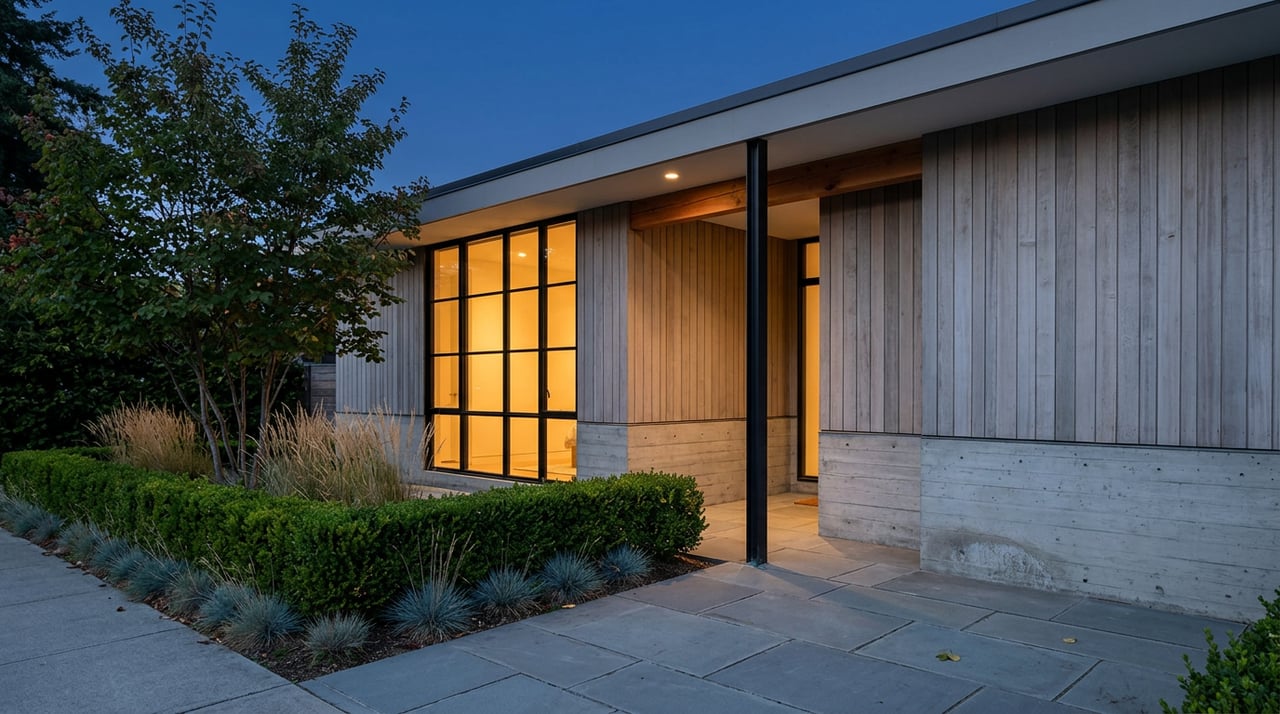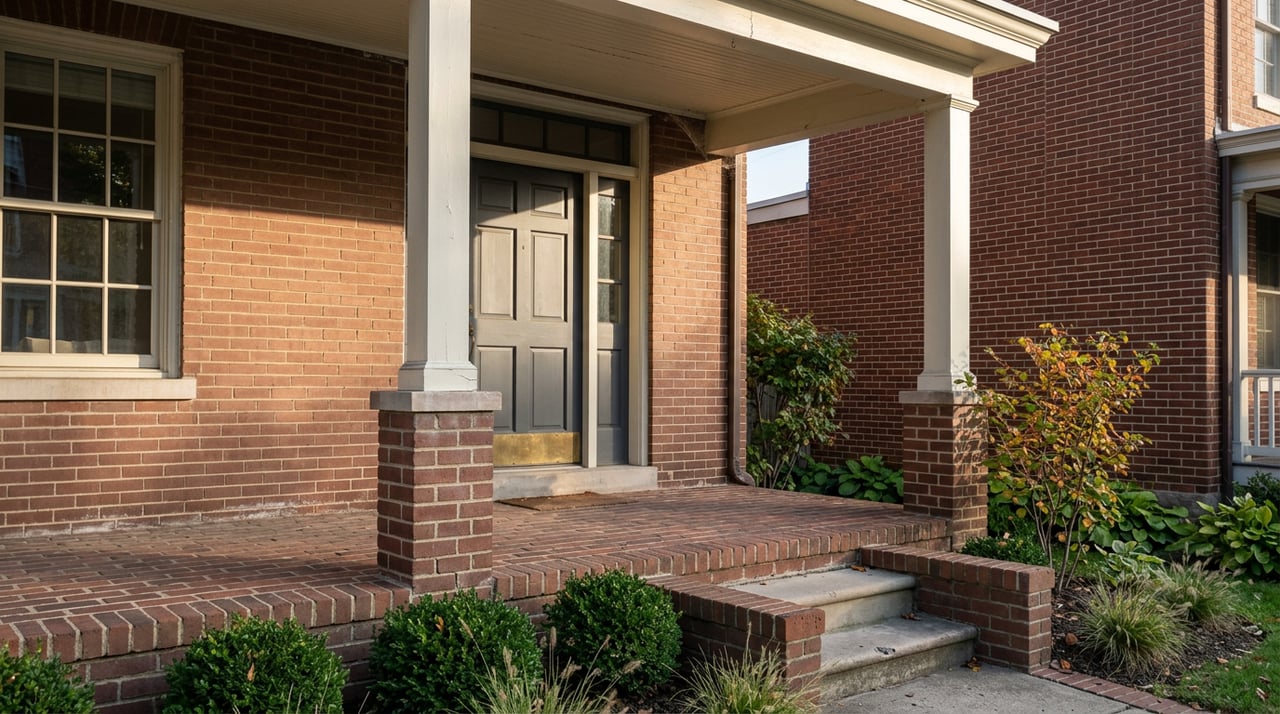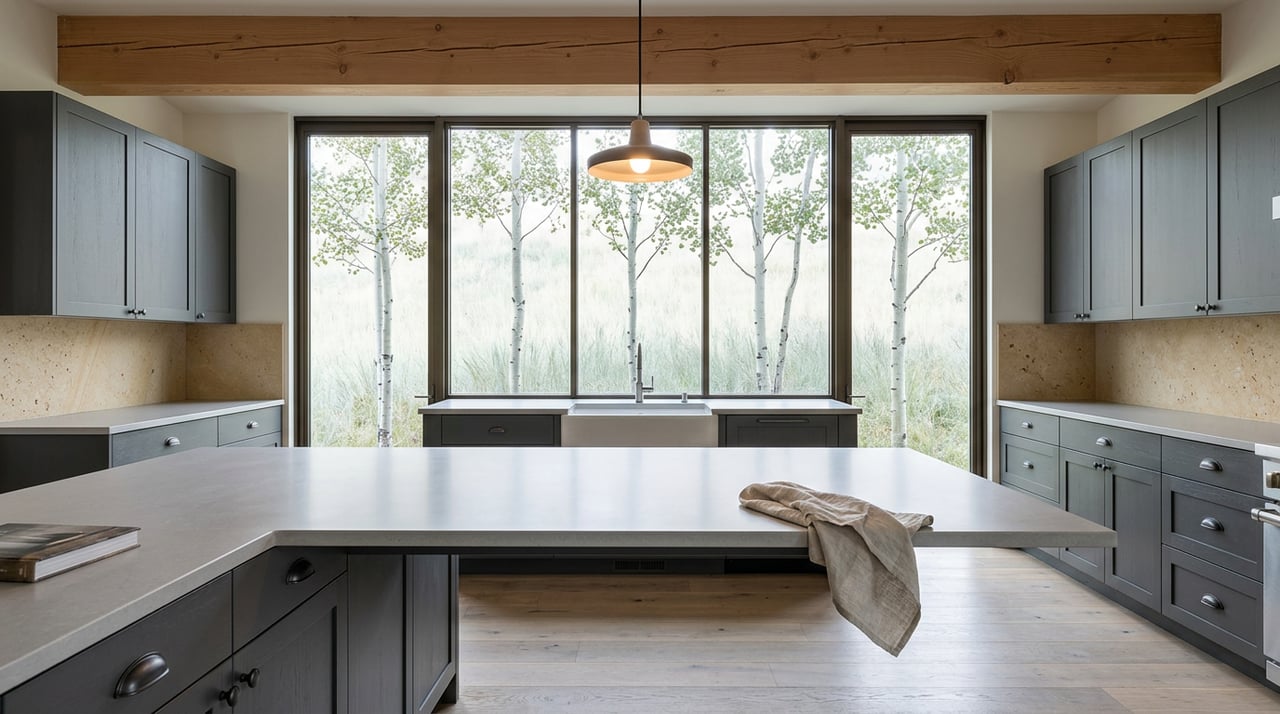
Picture a buyer standing in the kitchen of a brick two-story in Curtis Park this September, sun coming through a drafty aluminum-frame window that's clearly seen forty Colorado winters. The inspection report flagged it. The buyer's contractor already has a quote for something wider and more efficient. Then the buyer's agent mentions, almost in passing, that the block sits inside the Curtis Park Historic District, and the buyer's face falls the way it does for anyone who's heard secondhand that historic designation means a house is frozen in amber.
That reaction is out of date. In March 2026, Denver's Landmark Preservation Commission adopted an update to its design guidelines that specifically loosens the rules around the exact project most buyers hit first: windows. The bigger mistake buyers make now isn't assuming the rules are too strict. It's assuming the process moves at the same speed as a normal renovation, when the real friction is a timeline that stacks weeks on top of weeks in ways a standard Denver remodel never would.
What Changed on March 3
Denver's Design Guidelines for Landmark Structures and Districts got a Chapter 2 rewrite that took effect March 3, 2026, and the update sorts every window into one of two categories. Character Windows are the ones that define a house, bay windows, leaded glass, oriel windows, the stained-glass transom over a Victorian's front door. Those stay in a repair-first category, the same protection they've always had. Common Windows, the plain sash windows found in most bedrooms and kitchens, now move through a more flexible review path than they did before March 2026.
That distinction matters because it targets the specific friction point that stalls the most renovation projects. A buyer replacing a leaded-glass parlor window is still expected to repair it. A buyer replacing the plain double-hung window over the kitchen sink now has an easier lane to do it.
The material rules haven't disappeared, though. Vinyl windows are still barred in nearly every Denver historic district, with one specific exception: the La Alma Lincoln Park Historic Cultural District. Everywhere else, buyers are looking at wood, aluminum-clad wood, or fiberglass, matched to the original in profile and detail. And any window replacement on a landmarked property still requires a Certificate of Appropriateness submitted through the city's e-permits system before Denver's Development Services office will touch a building permit application.
What Was Never Actually Regulated
Here's the part that surprises most buyers touring a Capitol Hill or Baker rowhouse for the first time: a huge share of what people assume needs city approval never did.
Interior renovations in Denver's historic districts generally don't trigger Landmark review at all, unless the work involves a structural change that reaches the exterior walls or the roofline. Ripping out a 1970s kitchen, refinishing original floors, reconfiguring a bathroom, none of that touches the Landmark Preservation Commission's desk.
A layer of exterior work also moves faster than buyers expect, because Landmark Preservation staff can sign off administratively rather than sending every project to the full Commission. That track typically covers:
- Re-roofing with a matching material
- Detached garage additions
- Gutter and downspout replacement
- Repointing masonry
Where the process slows down is the larger stuff: additions, new construction on the lot, infill projects, and anything that changes what's visible from the public right-of-way. Those go to a full Commission review, sometimes a two-step process with a required pre-application meeting.
The Timeline Math Buyers Get Wrong
This is where the real risk hides, and it's math, not policy.
| Step | Typical timeline |
|---|---|
| Standard Denver residential permit | 10 to 15 business days |
| Landmark Preservation review added on top | 30 to 60 additional days |
A buyer who assumes the process works like any other Denver renovation, submit plans, wait two or three weeks, start work, is planning against the wrong clock. Add Landmark review to a historic district property and the timeline from application to approved Certificate of Appropriateness realistically stretches closer to two months than two weeks, before Development Services even issues the building permit itself. For a relocating buyer trying to get a kitchen window replaced before the first hard freeze, that gap is the difference between a comfortable winter and a very drafty one.
It's also worth knowing the certificate itself has a shelf life. Once issued, a Certificate of Appropriateness becomes invalid three years after the issue date, and it's void entirely if the work deviates from the approved plans. Buyers who get a certificate, then change scope midway through a project, are often starting the clock over.
The Tax Credit That Offsets the Wait
There's a financial upside to all this that buyers rarely factor into their budget conversations. Homes at least 50 years old and located inside a Denver historic district are eligible for the Colorado Historic Preservation Income Tax Credit, and Denver's Landmark Preservation Commission reviews the local applications. For a buyer who's already budgeting for wood-frame window replacements instead of vinyl, or masonry repointing instead of a quick patch, that credit can meaningfully offset the premium that comes with doing the work to code.
It's a detail worth raising with a tax professional before closing, not after the first invoice arrives from a contractor who specializes in historic materials.
Where This Actually Applies
Denver's historic-district footprint is bigger than most transplants realize. According to Historic Denver, the nonprofit dedicated to the city's preservation program, there are 52 local historic districts and more than 300 individually landmarked properties across the city. That includes well-known pockets like Capitol Hill, Baker, Curtis Park, Park Hill, and Potter Highlands, along with commercial districts like Lower Downtown. A property doesn't have to look obviously "historic" to be inside one of these boundaries. The only reliable way to know is to check the address against the city's Historic Landmarks and Districts map before assuming a renovation timeline.
For a buyer weighing a move into one of these neighborhoods, that single lookup, done before writing an offer rather than after closing, is the cheapest insurance available. It tells you whether your kitchen window swap is a two-week job or a two-month one, and whether the charm that sold you on the house in the first place comes with a specific set of rules or a genuinely open hand.
Frequently Asked Questions
Does my interior remodel need Landmark approval if my house is in a historic district? Generally no. Interior work only triggers review when it involves structural changes that reach the exterior or the roofline.
Can I still install vinyl windows in a historic district? Only in the La Alma Lincoln Park Historic Cultural District. Every other district requires wood, aluminum-clad wood, or fiberglass matched to the original window's profile.
How do I find out if a property is in a historic district before I make an offer? Denver maintains a public Historic Landmarks and Districts map where you can search by address. Confirming status before writing an offer avoids surprises during the inspection or renovation-planning phase.
If you're weighing a move into one of Denver's historic corridors, or trying to figure out what a specific renovation timeline actually looks like before you write an offer, Christy Watson Homes can walk the address-by-address details with you. Schedule your white-glove consultation and get a clear read on what a property's district status means for your move-in timeline before you're under contract.