Wondering whether you should renovate before listing your Boulder home, or skip the hassle and sell it as-is? That question matters more than ever in a market where buyers are paying attention to condition, and where timing, permits, and presentation can all affect your outcome. If you want to avoid over-improving while still protecting your price and timeline, this guide will help you make smarter pre-listing decisions. Let’s dive in.
Why condition still matters in Boulder
Boulder sellers are still operating in a strong price environment, but that does not mean every home will sell quickly without preparation. In May 2026, Boulder single-family homes posted a median sales price of $1,325,000, with average days on market at 60 and sellers receiving 98.6% of list price. Year to date, the median sales price was $1,300,000 and average days on market was 70.
At the same time, months of inventory was 4.7, which means sellers still need to be thoughtful about pricing and presentation. Nationally, 46% of buyers said they are less willing to compromise on a home’s condition. In practical terms, that means visible wear, deferred maintenance, and outdated presentation can still slow your sale or weaken offers.
Start with the right renovation question
Before you spend money, ask a simple question: Will this project make your home easier to show, easier to understand, and easier for buyers to say yes to? If the answer is yes, it may be worth considering. If the work is expensive, disruptive, or likely to trigger permits without solving a real problem, it may not be the best pre-list move.
In many Boulder homes, the goal is not a full remodel. The smarter path is often to fix clear issues, refresh what buyers see first, and create a clean, polished presentation that supports your pricing strategy.
Focus on high-visibility updates first
If you are six to twelve months from listing, lower-disruption improvements often make the most sense. The City of Boulder classifies finish work like painting, papering, flooring, carpeting, tile outside a shower enclosure, cabinets, and countertops as work that does not require a permit. That can make these updates more efficient to complete before your home hits the market.
Painting is one of the most commonly recommended seller-prep projects. NAR’s 2025 Remodeling Impact Report found that agents most often recommend painting the entire home, painting one interior room, and new roofing before listing. Fresh paint can help your home feel cleaner, brighter, and more move-in ready without the time and complexity of a major remodel.
Smart cosmetic updates to consider
- Interior paint where walls show wear or bold colors may distract buyers
- Flooring replacement in visibly worn areas
- Updated cabinets or countertops when the finishes feel tired but the layout still works
- Minor tile updates outside shower enclosures
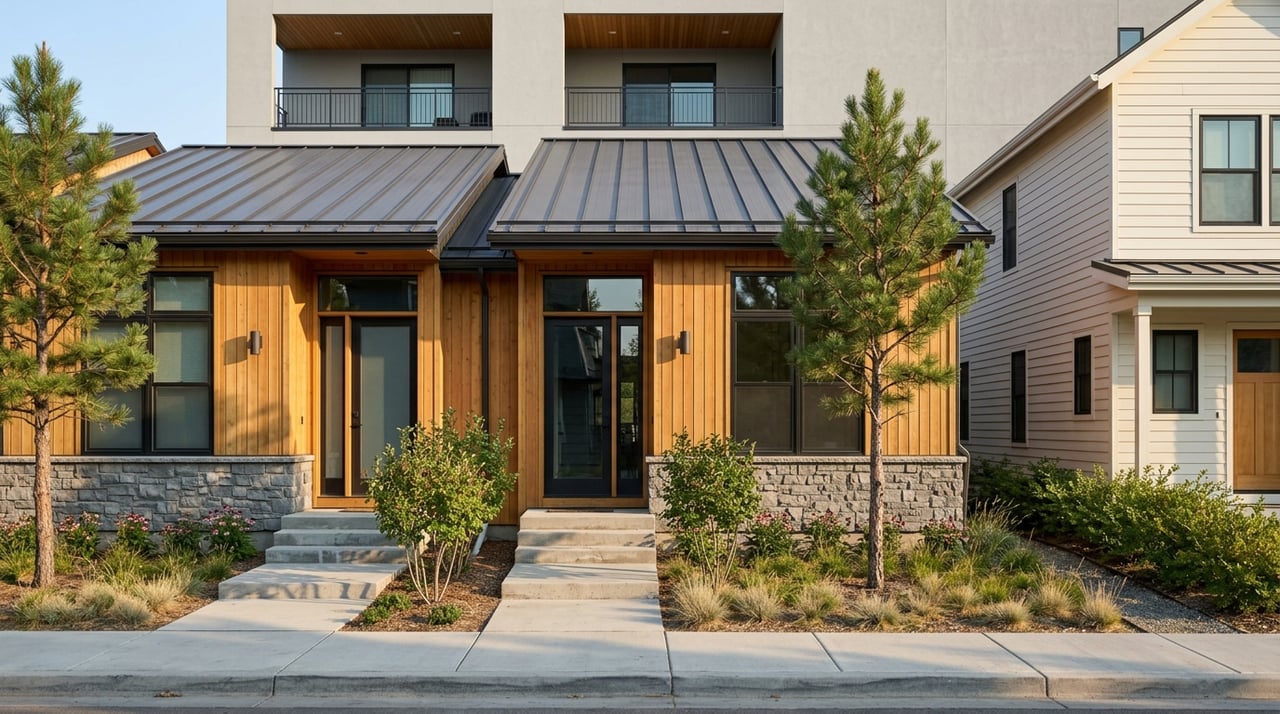
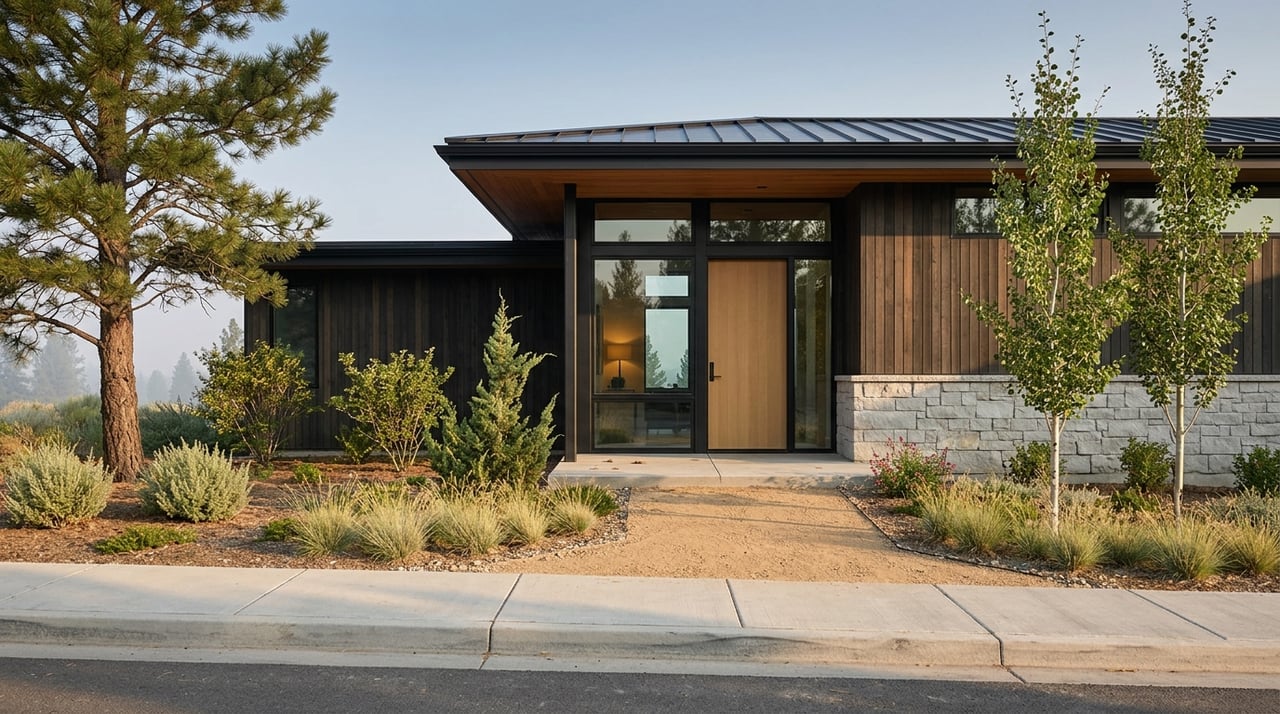
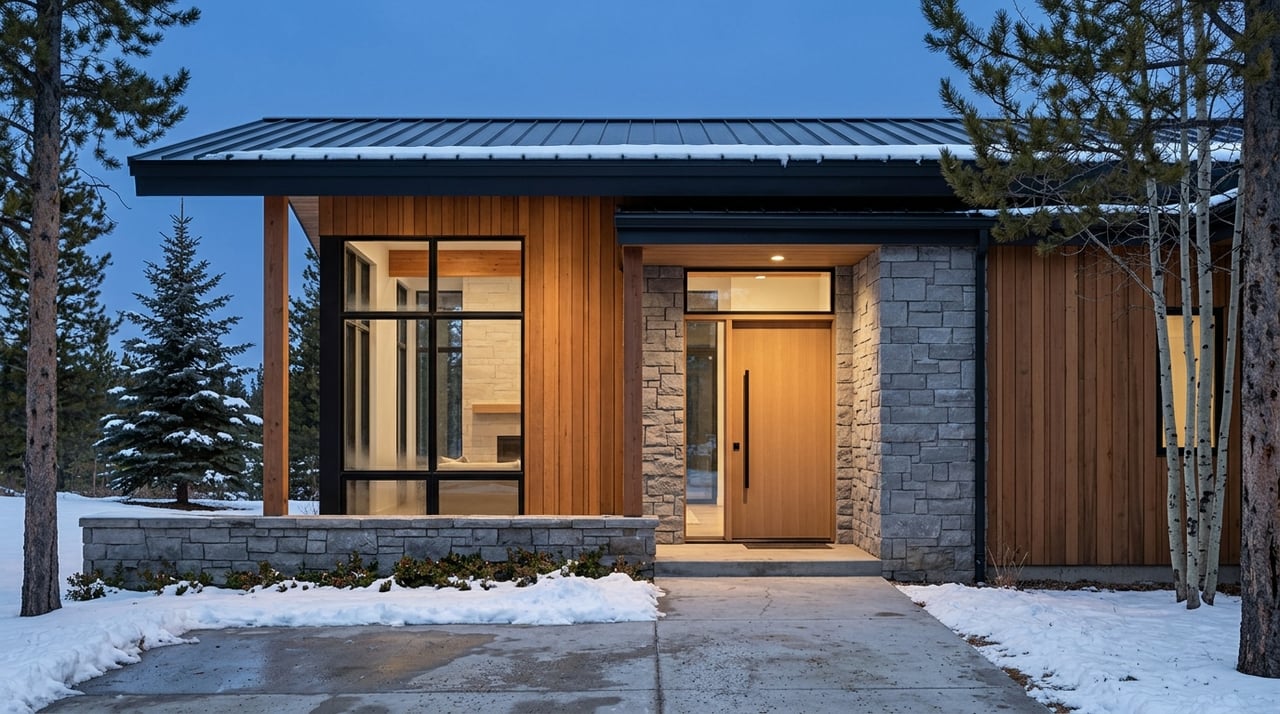
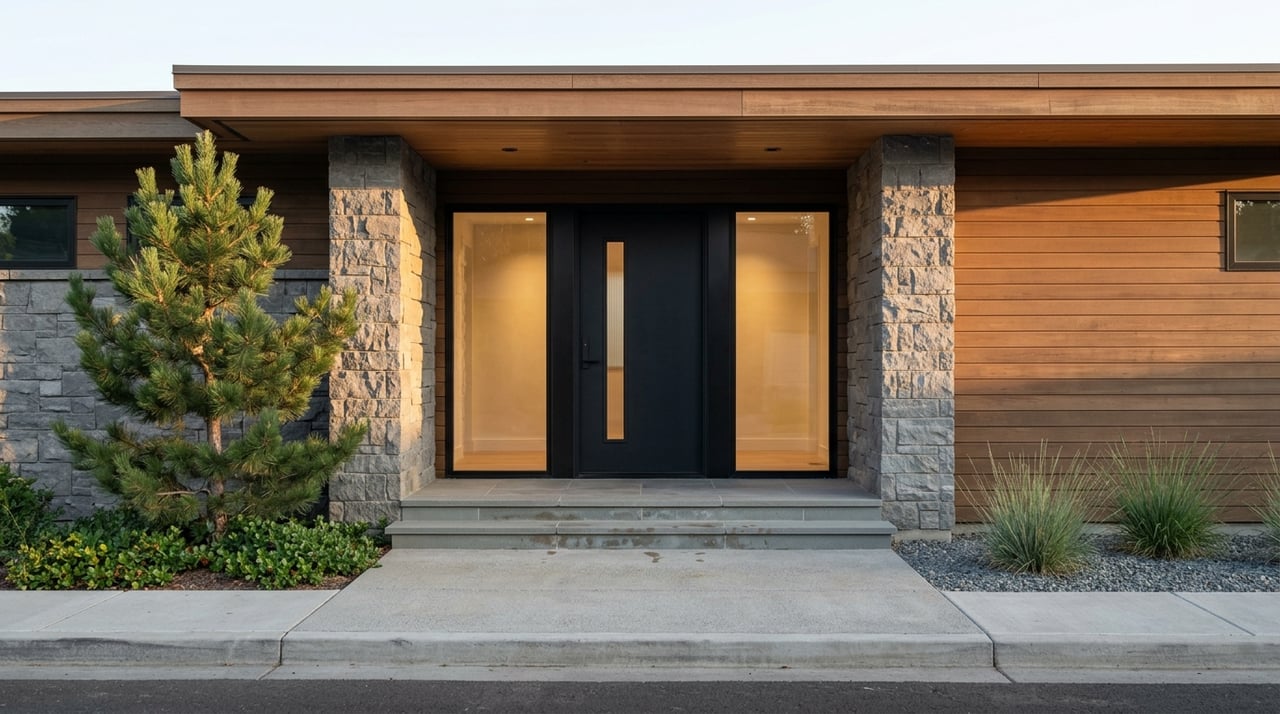
- Entry improvements, especially if your front door looks dated or worn
A new steel front door stood out in NAR’s 2025 report for having the highest cost recovery. That makes entry updates one of the clearest small-scale projects to consider if you want a noticeable visual payoff.
Prioritize presentation, not just renovation
Not every smart pre-list decision involves construction. In fact, staging and overall presentation can be just as important as remodeling, especially if your budget is limited.
According to NAR’s 2025 staging report, 29% of agents said staging increased the dollar value offered by 1% to 10%, and 49% of sellers’ agents said staging reduced time on market. Buyers most often focused on the living room, primary bedroom, and kitchen.
If you do not want to stage every room, start with the basics sellers’ agents recommend most often:
- Declutter every major space
- Deep clean the home
- Improve curb appeal
- Focus staging effort on the living room, primary bedroom, and kitchen
For many Boulder sellers, this is where the biggest return comes from. A well-prepared home often feels more valuable to buyers, even when the updates are simple.
Fix repairs that raise red flags
Cosmetic improvements can help, but they should not come before obvious repair issues. Buyers may overlook an older finish, but visible maintenance concerns can create doubt and lead to lower offers or tougher inspection negotiations.
Roofing is one of the clearest examples. NAR ranked new roofing among the top seller-prep projects, and Boulder’s wildfire guidance adds another layer of importance. The city emphasizes Class A roofing, and wood shake roofs are prohibited in the city.
If your roof is near the end of its life, or if it creates concern about safety or insurability, it may deserve attention before listing. This is especially true when the issue could affect financing or buyer confidence.
Do not overlook radon planning
If your home has a basement or your radon status is unknown, a pre-list radon test may be a practical step. Boulder County notes that radon is specifically listed in the Environmental Conditions section of the Colorado Seller’s Property Disclosure Form if known. The county also states that mitigation can be inexpensive and straightforward.
Testing early can help you avoid last-minute surprises. It also gives you time to decide whether mitigation makes sense before your home goes active.
Understand Boulder permit and review rules
This is where many sellers get tripped up. A project that seems simple can become much more complicated if it affects the structure or requires trade work.
The City of Boulder requires a permit when the structure of a building will be impacted. A typical residential interior remodel may involve building, electrical, mechanical, and plumbing permits. That adds time, coordination, and inspections, which can make a major pre-list remodel harder to justify.
Even when work is exempt from permitting, it still must meet applicable building, zoning, and engineering code requirements. Some properties may also need additional approvals if they are located in a floodplain, wetland, historic district, or are designated as an individual landmark.
Historic review can change your timeline
Historic preservation review is especially important in Boulder. The city requires Historic Preservation review for properties in historic districts or individual landmarks, and for non-designated buildings over 50 years old when proposed work meets the city’s demolition definition. It also states that all exterior changes to a landmark or historic-district property require a Landmark Alteration Certificate.
If your home falls into one of these categories, even a well-intended exterior update may take more planning than expected. That is one reason larger pre-list renovations can be risky when your goal is to move efficiently.
Think carefully about major remodels
Larger projects like kitchen upgrades or adding a primary bedroom suite can bring strong homeowner satisfaction, but that does not mean they are ideal right before listing. Big renovations are more disruptive, more expensive, and less suited to a short selling timeline.
In Boulder, they also carry more compliance risk because they are more likely to trigger multiple permits or historic review. If a project is likely to stretch your timeline or create uncertainty, it can easily cancel out its potential benefit.
A larger remodel usually makes the most sense only when it solves a real functional problem. That might include an issue that would otherwise reduce buyer interest, complicate financing, or make the home harder to price against competing listings.
When listing as-is makes more sense
Sometimes the best decision is not to renovate at all. That is often true when the home needs structural changes, major systems replacement, or work that would likely trigger multiple permits or historic review.
Boulder’s permit guidance also notes that permits expire if work does not begin within 180 days or is suspended for 180 days. For sellers on a six- to twelve-month timeline, that creates real risk if a major project starts late or stalls.
Listing as-is does not mean listing without effort. In many cases, it simply means you skip the major remodel, complete light prep where it counts, and price the home accurately based on its current condition.
What as-is should still include
- Safety and code-related issues addressed first
- Clean, decluttered interiors
- Strong curb appeal
- Honest, accurate pricing
- Clear disclosure of known conditions
This kind of as-is strategy can be very effective in Boulder when it is handled intentionally rather than reactively.
A practical Boulder seller sequence
If you want a straightforward framework, follow this order:
- Fix safety and code issues first
- Complete visible cosmetic work second
- Stage or improve presentation third
- Reserve major remodels for situations where current condition clearly blocks price or financing
This sequence helps you protect your timeline and focus your budget where buyers are most likely to notice it. It also keeps you from getting pulled into expensive work that may not meaningfully improve your result.
How to decide what is worth doing
The best pre-list renovation plan is personal to your home, your timeline, and your likely buyer pool. A dated home with good bones may benefit from paint, flooring, and staging. A home with permit-heavy issues may be better positioned with selective repairs and a clean as-is strategy.
That is why local guidance matters. In Boulder, renovation decisions are not just about taste. They are also about market timing, property conditions, city rules, and how much disruption you want before you sell.
A thoughtful plan can help you avoid overspending, reduce stress, and bring your home to market in a way that feels polished and credible. If you want help evaluating what is worth doing before you list, Christina Watson can help you build a white-glove, data-informed plan that fits your home and your timeline.
FAQs
What pre-listing updates matter most for Boulder sellers?
- The most practical updates are often paint, deep cleaning, decluttering, curb appeal, and focused staging in the living room, primary bedroom, and kitchen.
Do cosmetic renovations in Boulder require permits?
- Often, no. The City of Boulder says finish work such as painting, flooring, cabinets, countertops, carpeting, papering, and tile outside a shower enclosure does not require a permit, though the work still must meet applicable codes.
Should Boulder sellers test for radon before listing?
- If radon status is unknown or the home has basement exposure, a pre-list test can be a smart step because Boulder County says known radon must be disclosed and mitigation can be straightforward.
When should a Boulder seller skip a major remodel?
- Skipping a major remodel often makes sense when the work would involve structural changes, multiple permits, historic review, or a timeline that creates too much uncertainty before listing.
Do historic properties in Boulder need extra review before exterior work?
- Yes. The City of Boulder requires historic preservation review for landmarks and historic-district properties, and all exterior changes to those properties require a Landmark Alteration Certificate.