Thinking about listing your Boulder home and wondering how to stand out without over-investing? You are not alone. Buyers here look for light, flow, outdoor living, and energy-conscious details, so the way you present your home matters as much as the price. In this guide, you will learn how strategic staging, small updates, and strong listing media work together to elevate your sale, plus how a concierge approach can simplify the process. Let’s dive in.
Why staging matters in Boulder
Boulder buyers value lifestyle and function. Many are connected to the University of Colorado, tech and cleantech, or outdoor recreation. They often prioritize outdoor space, well-lit kitchens, practical storage for gear, and energy efficiency. When you stage with those preferences in mind, you make it easier for buyers to see how the home fits their life.
Market conditions also make presentation critical. Inventory has grown from peak pandemic years in many markets, and buyers compare more homes side by side. Good staging, thoughtful photos, and clean disclosures can help you compete on condition, not just price.
What strategic staging accomplishes
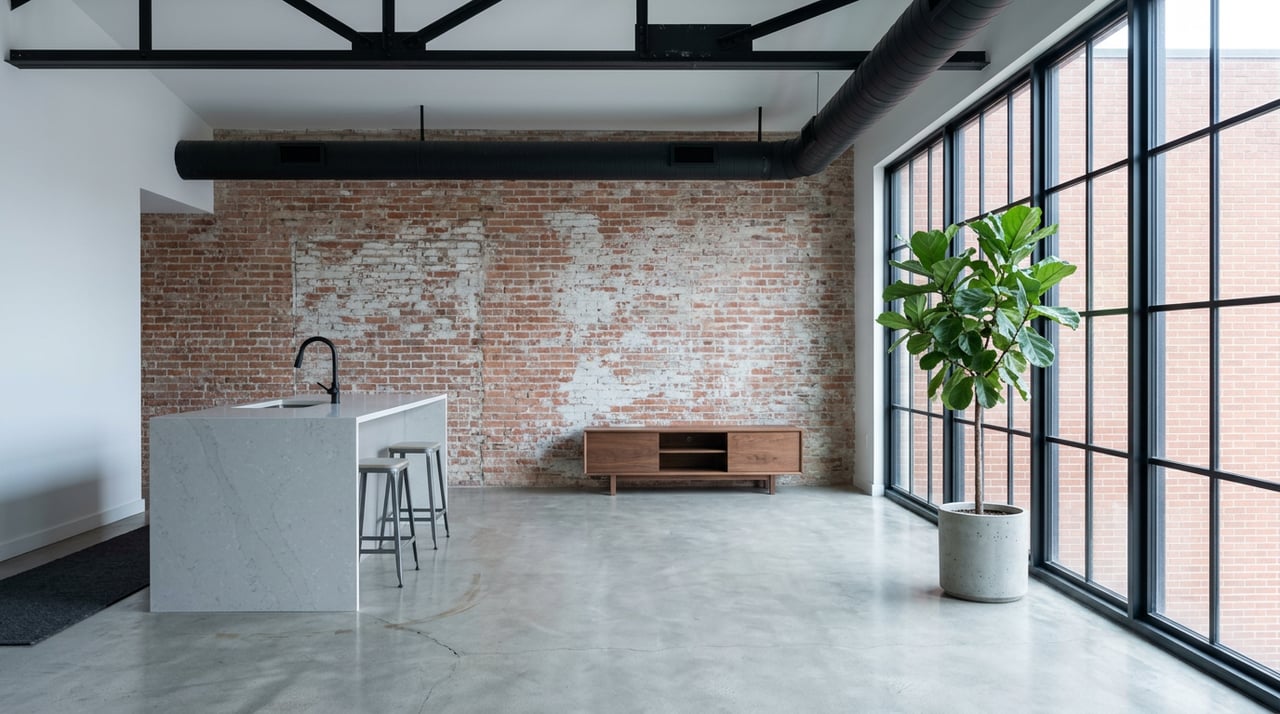
Staging helps buyers visualize how each room works. Clear furniture placement shows flow, scale, and natural light. Removing visual noise and defining a single purpose for each room can reduce the sense of “projects” and make rooms feel larger and more usable.
It also improves first impressions online. Most buyers shortlist homes from photos before they ever schedule a showing. Strong staging plus professional photography usually increases listing views and showing requests, which can translate to faster offers in active segments and better results in balanced ones.
High-impact updates with smart budgets
Focus on visible, buyer-facing areas. In Boulder’s mid to upper tiers, clean, neutral, and well-maintained almost always outperforms dated but expensive features.
- Interior paint: Light, neutral colors refresh spaces and unify older finishes. Prioritize the kitchen, living areas, and the primary suite. Typical costs range from the low hundreds to the low thousands per room depending on scope.
- Flooring: Deep clean carpets and refinish hardwood where worn. Replace only highly damaged carpet. Area rugs can define seating zones during staging.
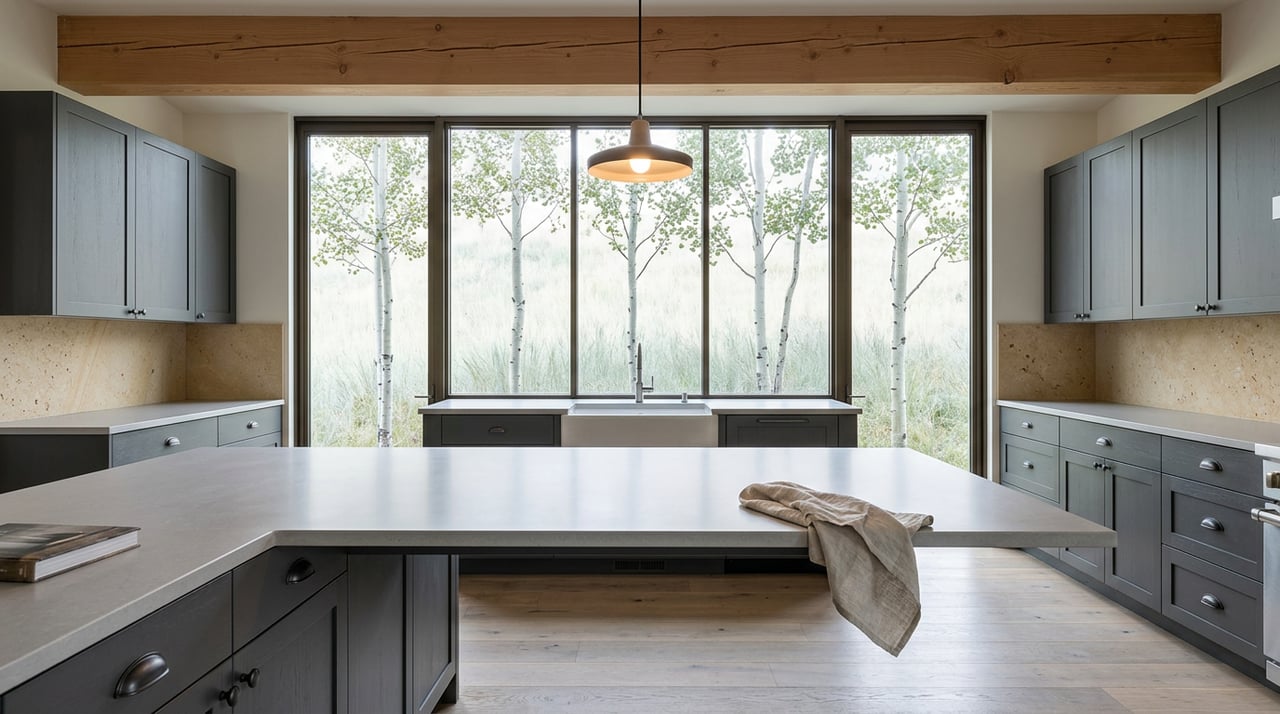
- Kitchen refresh: Consider cabinet paint or refinish, new hardware, updated faucet and lighting, and a simple backsplash. Replace countertops only if they are very worn or out of step with neighborhood expectations. A targeted refresh is usually faster and more predictable than a full remodel.
- Bathroom tune-ups: Regrout, swap dated lighting and fixtures, update hardware, and deep clean. Replace tired vanities or tops if nearby listings show higher-end finishes.
- Lighting and fixtures: Upgrade to LED, add layered lighting, and replace dated fixtures for a cleaner, modern feel.
- Storage and organization: Tidy closets and an organized garage signal usable storage, a priority for buyers with outdoor gear.
- Maintenance signals: Clean furnace rooms, labeled service records, and tidy gutters or rooflines reassure buyers that systems are cared for.
Emphasize low to moderate cost improvements before large remodels unless nearby comps clearly justify bigger changes.
Showcase Boulder strengths buyers love
Lean into what local buyers value. You want your staged home to reflect the Boulder lifestyle while appealing to broad tastes.
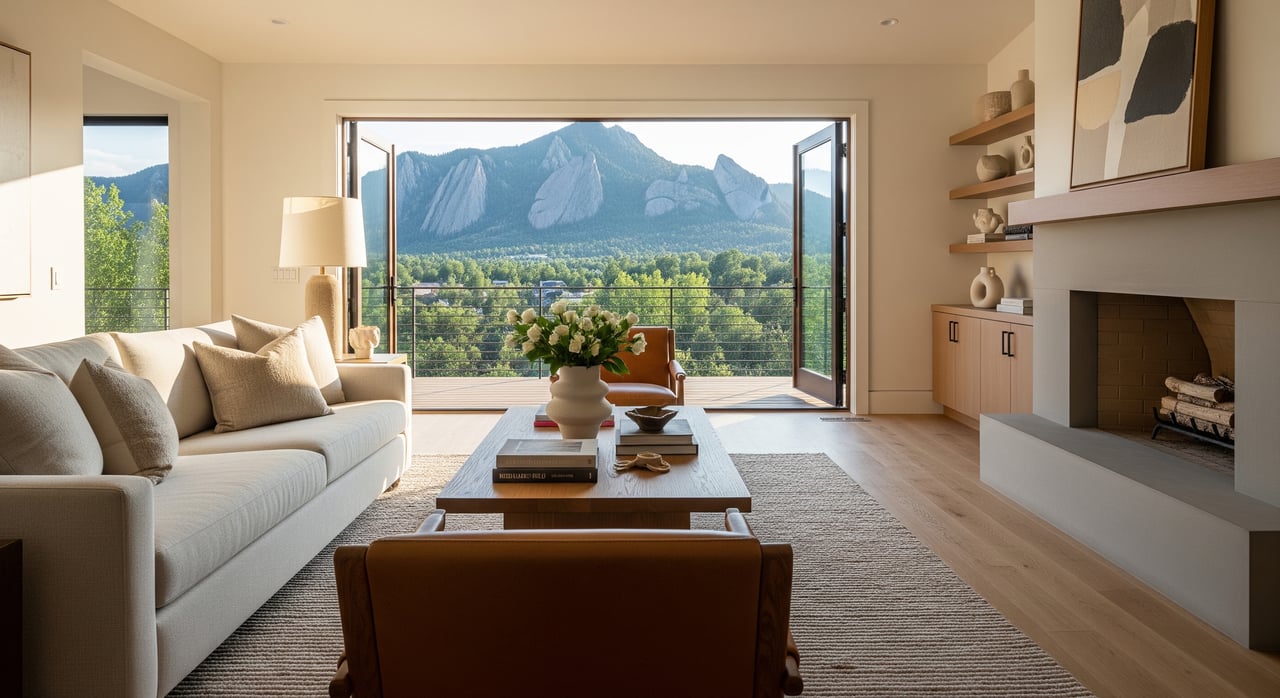
- Outdoor living: Set a simple, clean seating area on the deck or patio. If you have views, frame them with uncluttered sightlines in photos.
- Energy and sustainability: Swap to efficient bulbs, install or highlight a programmable thermostat, and gather any energy audit or insulation documentation to share.
- Gear-friendly storage: Stage a tidy mudroom hook area or garage bike zone to suggest everyday function without clutter.
- Water-wise landscaping: Keep beds clean, shrubs trimmed, and pathways swept. Simple, low-water plants align with local practices.
- Seasonal readiness: In winter, keep entries clear of snow and add warm, inviting interior accents. In spring and summer, emphasize green outdoor spaces and light-filled rooms.
Listing presentation that sells
Your media package turns staging into results. Invest in professional assets that show flow, light, and lifestyle.
Professional photography
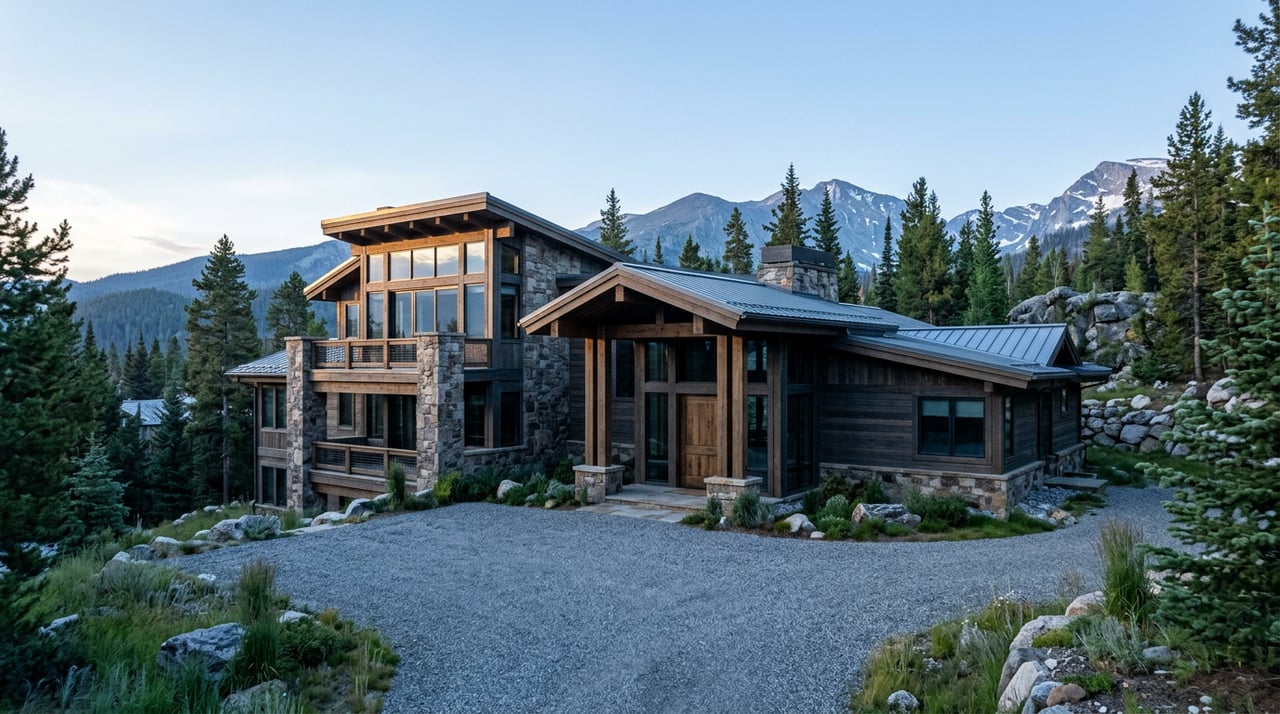
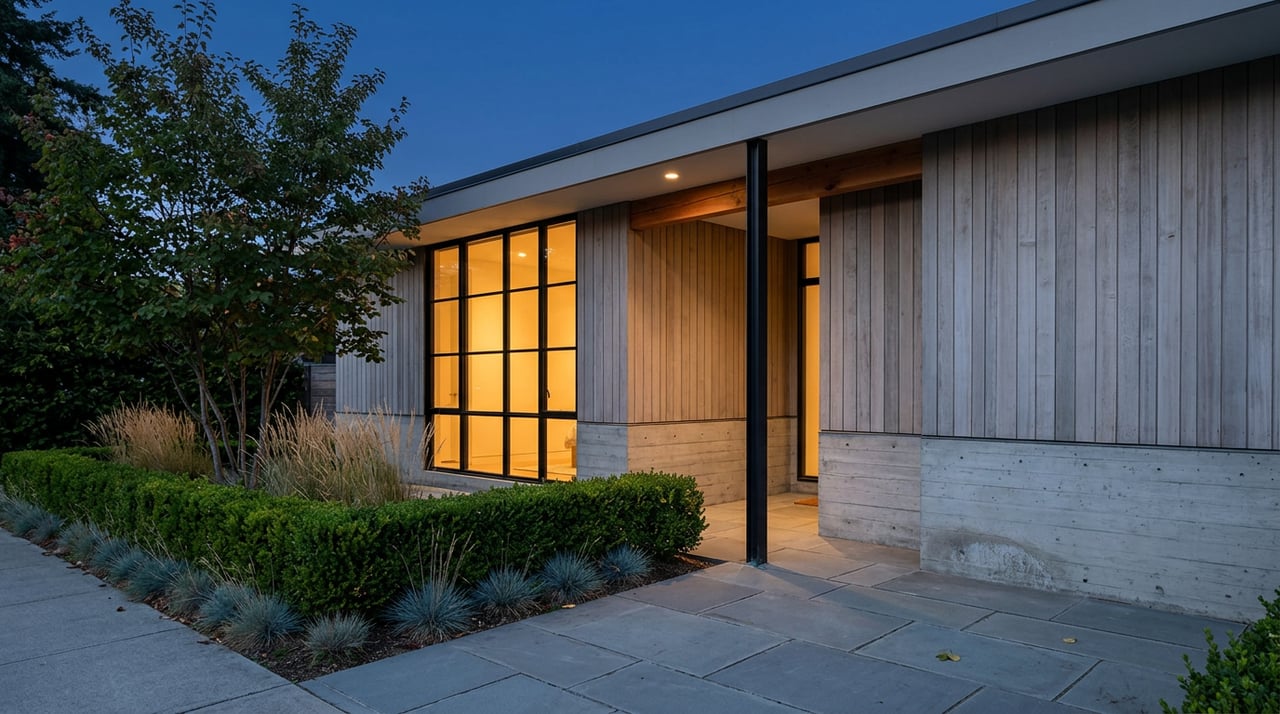
Hire a photographer who specializes in real estate. Ask for wide interior shots to show layout, detail shots for focal features, and strong outdoor images. Twilight photos work well when you have mountain views or great exterior lighting. Sequence matters, so lead with your best hero image and follow with the kitchen and main living areas.
Aerials, 3D tours, and floor plans
Drone images shine for homes near open space or on distinctive lots. 3D tours and floor plans help time-pressed or out-of-town buyers understand the flow before visiting. These tools can increase engagement and reduce unqualified showings.
Virtual staging and disclosure
Virtual staging is a good solution for vacant homes when physical staging is not feasible. Clearly disclose virtually staged images as required by MLS rules to avoid confusion. Keep edits realistic and do not alter material features.
Concierge staging made simple
Coordinating paint, repairs, rental furniture, photography, and schedules can be overwhelming. A concierge staging and design service can handle planning and vendor management so you can focus on your move.
What a concierge partner typically manages:
- A walk-through and prioritized action plan with budget ranges
- Vendor coordination for painters, cleaners, handypersons, photographers, movers, and rental furniture
- Sourcing and placement of furniture, art, and decor for photo-ready rooms
- Timeline oversight, touch-ups between showings, and de-staging after sale
This approach gives you a single point of contact, aligns trades on one timeline, and often speeds time to market. Costs vary based on scope, so ask for an itemized proposal and examples from past Boulder listings. Christy’s integrated service, Style to Design, reflects this concierge model and can coordinate staging and light renovations within a cohesive marketing plan.
Key questions to ask any provider:
- Can you share Boulder-specific before and after examples and references?
- How do you handle permits or recommend contractors for items that need them?
- What is the timeline from consultation to photo day, and how do you manage delays?
- Who manages billing for subcontractors, and how are approvals handled?
- How do you handle mid-listing touch-ups or replacements?
Your 4 to 8 week prep timeline
Adjust to your schedule and the market’s tempo. The goal is a clean, calm, photo-ready home that launches on time.
- Weeks 4 to 8: Meet your agent to confirm pricing and timing. Order a pre-list inspection if advised, line up contractor bids, and schedule major trades as needed.
- Weeks 3 to 6: Declutter and depersonalize. Begin interior paint and any flooring updates. Start landscaping cleanup.
- Weeks 2 to 4: Deep clean, complete small repairs, and install updated lighting or hardware. Stage rooms and arrange delivery for any rental furniture.
- Weeks 1 to 2: Final styling and touch-ups. Schedule professional photos for optimal daylight. Prepare disclosures and listing materials.
- During showings: Keep surfaces clear, beds made, towels fresh, and entrances swept. Build a quick checklist for last-minute touch-ups before each showing.
Room-by-room staging checklist
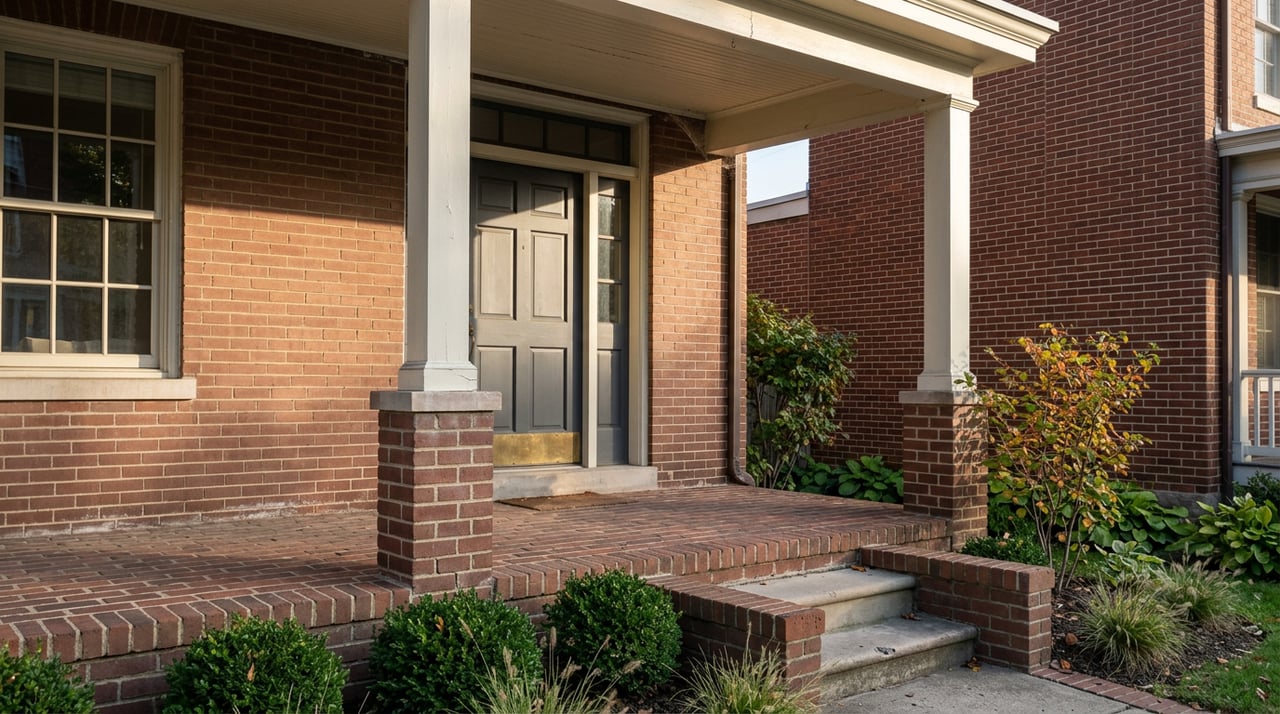
- Entry: Clear the path, clean the door, polish hardware, and add a fresh mat. Make sure house numbers are visible.
- Living room: Keep seating simple to show flow. Remove oversized furniture and extra accessories to open sightlines.
- Kitchen: Clear counters, keep only one or two small appliances, add fresh towels and a simple bowl of fruit for photos.
- Primary suite: Use neutral bedding, minimal decor, and remove extra dressers or chairs that crowd the room.
- Bathrooms: Clear counters, add new towels, shine fixtures, and ensure grout is clean and unstained.
- Garage and storage: Organize shelves and floor space to show capacity for bikes, skis, and bins.
- Outdoor areas: Weed and sweep, then stage a small seating area to suggest everyday use.
Local rules and risk checks
Boulder has active programs and policies around energy efficiency, sustainability, and historic preservation. Before exterior changes or alterations that affect character-defining features, review City of Boulder planning and historic preservation guidelines. For buyers who value environmental performance, gather any energy audit reports, insulation records, or utility upgrades.
If you plan water-wise landscaping updates, keep designs tidy and consistent with local drought practices. For winter listings, plan for snow and ice removal, place boot trays at entries, and highlight warm interior staging. Always follow Colorado disclosure requirements, including clear labeling of virtually staged images and keeping documentation for any permitted work.
The bottom line for Boulder sellers
Staging is more than fluff. It shows buyers how your home lives, reduces perceived projects, and makes your online presence work harder. In Boulder, lean into light, function, outdoor living, and energy-minded touches, then back it up with professional photography and a coordinated timeline.
If you want expert guidance and less stress, schedule your white-glove consultation with Christina Watson. You will get a tailored plan, coordinated vendors, and a clear path to market.
FAQs
What updates add the most value before listing in Boulder?
- Cleaning, decluttering, neutral paint, and minor kitchen or bath refreshes usually deliver the strongest impact for the cost, especially in buyer-facing spaces.
Should I do a full kitchen remodel before selling my Boulder home?
- Not always. A targeted refresh, cabinet paint, hardware, updated lighting, and faucet often performs better for resale than a full tear-out unless nearby comps show a clear premium for fully remodeled kitchens.
Does staging help in a slower or balanced market?
- Yes. Strong staging and photos can boost views and showings, which can shorten time on market and improve outcomes, although it does not guarantee a higher price.
Is virtual staging acceptable for Boulder listings?
- It is acceptable when clearly disclosed and used within MLS rules. It is most helpful for vacant homes when physical staging is not practical.
How far in advance should I start preparing my home?
- Plan on 4 to 8 weeks for consultation, decluttering, light updates, staging, and photography. Your agent can adjust the timeline based on market tempo and the scope of work.