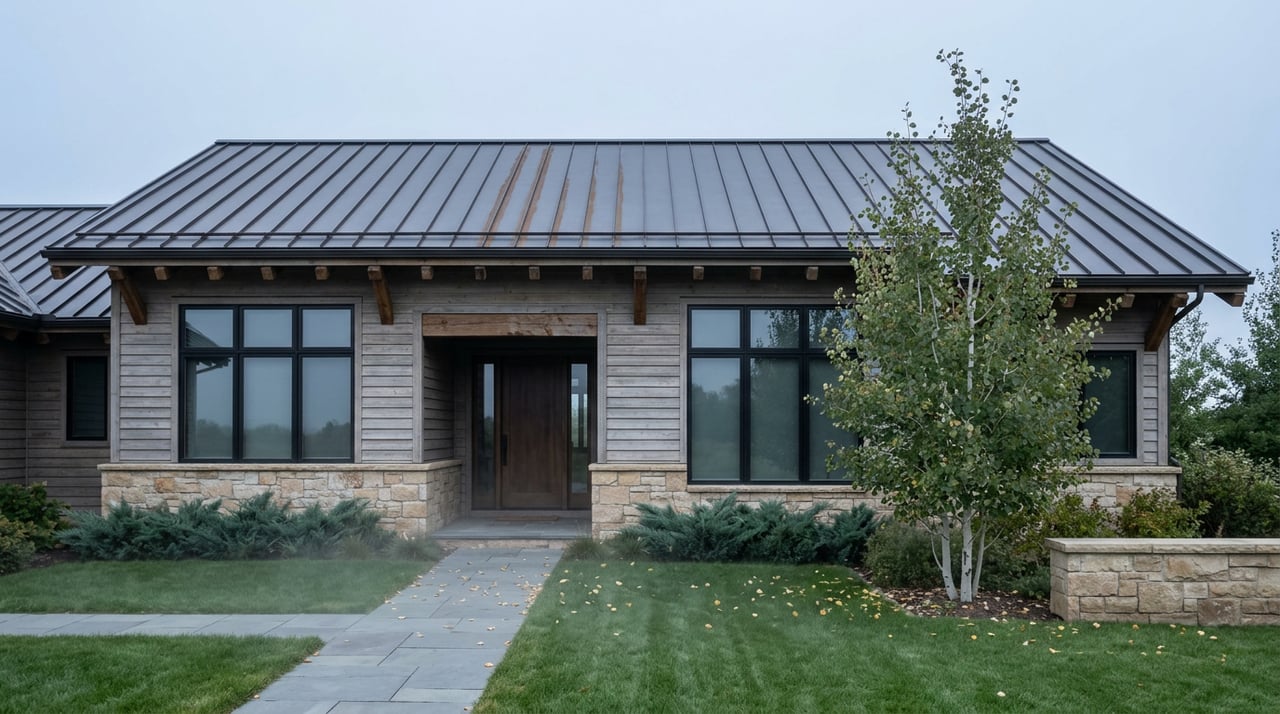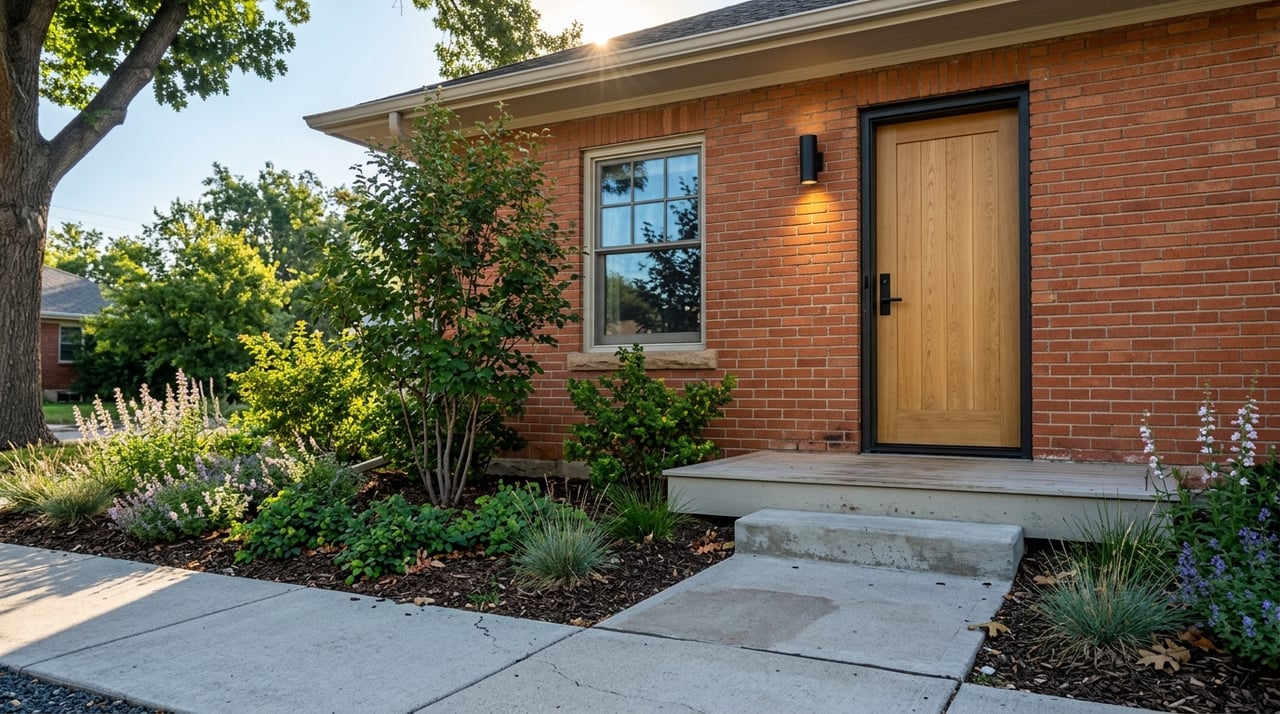
Trying to choose between a brand-new home and a classic Denver original? You are not alone. In Denver, that decision often comes down to more than style, because your choice can affect maintenance, efficiency, renovation options, and even the approval process if the home is in a historic district. This guide will help you compare the real tradeoffs so you can move forward with more clarity and confidence. Let’s dive in.
Why This Choice Matters in Denver
Denver gives you a real mix of housing options. The city’s 2024 Consolidated Plan says 44% of units are single-family detached, 35% are in multifamily buildings with 20 or more units, and 11% are single-family attached. That variety helps explain why you can still find older character homes alongside newer infill and attached construction in close-in neighborhoods.
Historic homes are also a visible part of the city’s identity. Denver has locally designated historic districts that include areas such as Baker, Alamo Placita, Ballpark, and Curtis Park. In those areas, Landmark Preservation reviews exterior work, development, and demolition on designated properties.
That means your decision is not just about whether you like old charm or modern finishes. In Denver, it can also shape your budget, your project timeline, and what you may be allowed to change later.
What Counts as a Historic Home in Denver
Many buyers use the word historic to describe any older Denver home, but age alone is not the full story. Some of the homes people picture most often, like Denver bungalows and Denver Squares, were especially popular from the late 1800s through about 1930.
History Colorado describes the Denver bungalow as a one- to one-and-one-half-story home with broad porches, gently pitched roofs, and simple horizontal lines. Denver Square homes were popular in the Denver area from 1895 to 1930. These homes often stand out for their architectural character and strong street presence.
The key detail to understand is this: an old home is not automatically subject to the same review process as a locally designated landmark or a home in a historic district. In Denver, local designation is what triggers city design review for certain exterior changes.
What New Construction Often Offers
New construction in Denver tends to reflect how many buyers live today. Recent reporting on the Denver region shows builders leaning toward compact footprints, open floor plans, and office or flex space.
For many buyers, that translates into a home that feels more move-in ready from day one. You may find layouts that better support remote work, easier entertaining, and less immediate pressure to update systems or finishes.
Newer homes also benefit from current code standards. Denver says the 2025 Denver Building and Fire Code became effective on December 31, 2025, and these codes establish the minimum mandatory standards for building construction in the city. The Denver Energy Code also sets local efficiency standards for new and renovated buildings.
Comparing Layout and Daily Living
One of the biggest differences between new construction and historic homes is how the space feels. Newer homes often prioritize open common areas, flexible rooms, and a more seamless flow between kitchen, dining, and living spaces.
Historic homes can feel very different. Their character is often a major draw, with features like broad porches, traditional rooflines, and architectural details that newer builds may not replicate. At the same time, room arrangements in older homes may feel less open than what many buyers expect in recent construction.
Neither option is automatically better. It depends on whether you value original design details and charm, or a floor plan that fits a more modern routine with fewer compromises.
Energy Efficiency and Utility Expectations
If efficiency is high on your list, new construction may have an edge. The U.S. Energy Information Administration found that newer homes used less energy for space heating than older homes, largely because of better building shells and stricter energy codes.
In practical terms, a newer Denver home may start out with fewer immediate retrofit needs. That can matter if you want lower upfront maintenance demands and a more predictable first year of ownership.
Older homes can absolutely be improved, but they often need more attention. The U.S. Department of Energy notes that many older homes have less insulation than homes built today and recommends starting with a home energy audit before weatherizing.
Maintenance Differences to Expect
Historic homes can be rewarding to own, but they usually ask more of you. Common areas of focus include insulation, air sealing, moisture control, ventilation, windows, masonry, and wood trim.
That does not mean every older home will need major work right away. It does mean you should look closely at condition, deferred maintenance, and the likely cost of preserving or improving original materials.
Historic Denver’s homeowner resources specifically highlight window restoration and weatherization, along with mortar and wood trim restoration. If you love classic architecture, it helps to go in with a realistic maintenance plan rather than assuming an older home will perform like a newer one.
Lead Paint and Older-Home Safety
For homes built before 1978, lead paint is an important issue to understand. The EPA says 87% of homes built before 1940 have some lead-based paint.
That does not automatically make an older home unsafe, but it does mean you should take renovation and repair work seriously. The EPA recommends using certified inspectors or risk assessors for testing and following lead-safe work practices for renovation, repair, or painting.
If you are considering a historic Denver home, this is one of the clearest examples of why due diligence matters. The right inspections and planning can help you understand what you are taking on before you close.
Renovation Rules Can Be Very Different
This is where the Denver comparison gets especially important. If you buy a newer home outside a historic district, future projects still go through Denver’s normal permitting process, which may review zoning, building, drainage, transportation, structural, fire, energy, health, and forestry issues.
If you buy a locally designated landmark or a home in a historic district, the path can be more involved. Denver says additions, exterior alterations, rooftop additions, pop-tops, ADUs, and new construction can require Landmark Preservation review and, in many cases, a Certificate of Appropriateness before permits move forward.
The city’s review process looks at things like massing, form, scale, setbacks, roof forms, materials, and compatibility with the historic context. Some projects may also need zoning adjustments or variances when historic context and base zoning standards do not line up.
New Construction in Historic Areas
Not all newer homes are outside historic settings. In Denver, new infill construction can happen within historic districts, but the city expects it to be compatible with the surrounding context while still reading as contemporary construction.
That means a newer home in one of these areas may still be shaped by design review. The city examines features such as massing, porches, setbacks, roof forms, and overall compatibility with the historic block.
For buyers, this can be a plus if you want newer systems and a more modern interior while still living in an established part of the city. It also means you should understand any design constraints before assuming future changes will be simple.
Financial Tradeoffs to Think Through
For many buyers, the choice comes down to where you want to spend your money. New construction may mean a higher purchase price in some cases, but potentially lower immediate project load and fewer early repairs.
A historic home may offer architecture and character that are hard to duplicate, but you should be prepared for possible spending on energy upgrades, maintenance, restoration, or lead-safe renovation work. If the property is locally designated, your timeline and renovation costs may also be shaped by city review requirements.
There may be financial upside for certain historic rehabilitation projects. Colorado’s Department of Revenue says the Preservation of Historic Structures credit remains available and is jointly administered by OEDIT and History Colorado, and History Colorado notes that some National or State Register properties may be eligible for investment tax credits for approved rehabilitation projects.
Which Type of Home Fits You Best?
A newer home may fit you best if you want:
- More current energy standards
- Modern systems and finishes
- Open-concept or flex-space living
- Fewer immediate projects after closing
- A simpler maintenance picture in the near term
A historic home may fit you best if you want:
- Distinct architectural character
- Original design details and curb appeal
- An established neighborhood feel
- Long-term renovation potential
- A home with a story and a strong sense of place
In Denver, this is rarely a simple old-versus-new debate. It is usually a decision about lifestyle, upkeep, renovation goals, and how much complexity you are willing to manage.
How to Shop Smarter in Denver
As you compare options, keep these questions in mind:
- Is the home simply older, or is it locally designated?
- If you want to add on later, will Landmark Preservation review apply?
- How much maintenance or weatherization work might the home need?
- If the home predates 1978, have you planned for lead-paint precautions?
- Does the layout support the way you actually live today?
A clear plan helps you avoid surprises. It also helps you compare two very different homes on practical terms, not just emotional appeal.
The best choice is the one that supports your goals, timeline, and comfort level with future projects. If you want help weighing character, condition, renovation potential, and resale considerations, Christina Watson can guide you through the decision with a concierge-level approach tailored to your move.
FAQs
What is the difference between an older home and a historic home in Denver?
- In Denver, an older home is not automatically locally designated. Local landmark status or location within a historic district is what triggers certain city preservation reviews for exterior changes.
What should buyers know about new construction homes in Denver?
- New construction homes in Denver often offer open layouts, flex spaces, modern systems, and current code standards, including local energy requirements.
What maintenance issues are common in Denver historic homes?
- Denver historic homes may need more attention to insulation, air sealing, moisture control, ventilation, windows, masonry, and wood trim.
What should buyers ask about remodeling a historic home in Denver?
- Buyers should ask whether the property is locally designated, whether Landmark Preservation review will apply, and whether additions or exterior changes may need a Certificate of Appropriateness before permits.
What should buyers know about lead paint in older Denver homes?
- For homes built before 1978, lead paint is an important issue. EPA data shows lead-based paint is common in older homes, especially those built before 1940, so testing and lead-safe work practices matter.
Are there tax credits for historic home rehabilitation in Colorado?
- Colorado says the Preservation of Historic Structures credit remains available, and some National or State Register properties may qualify for investment tax credits for approved rehabilitation work.