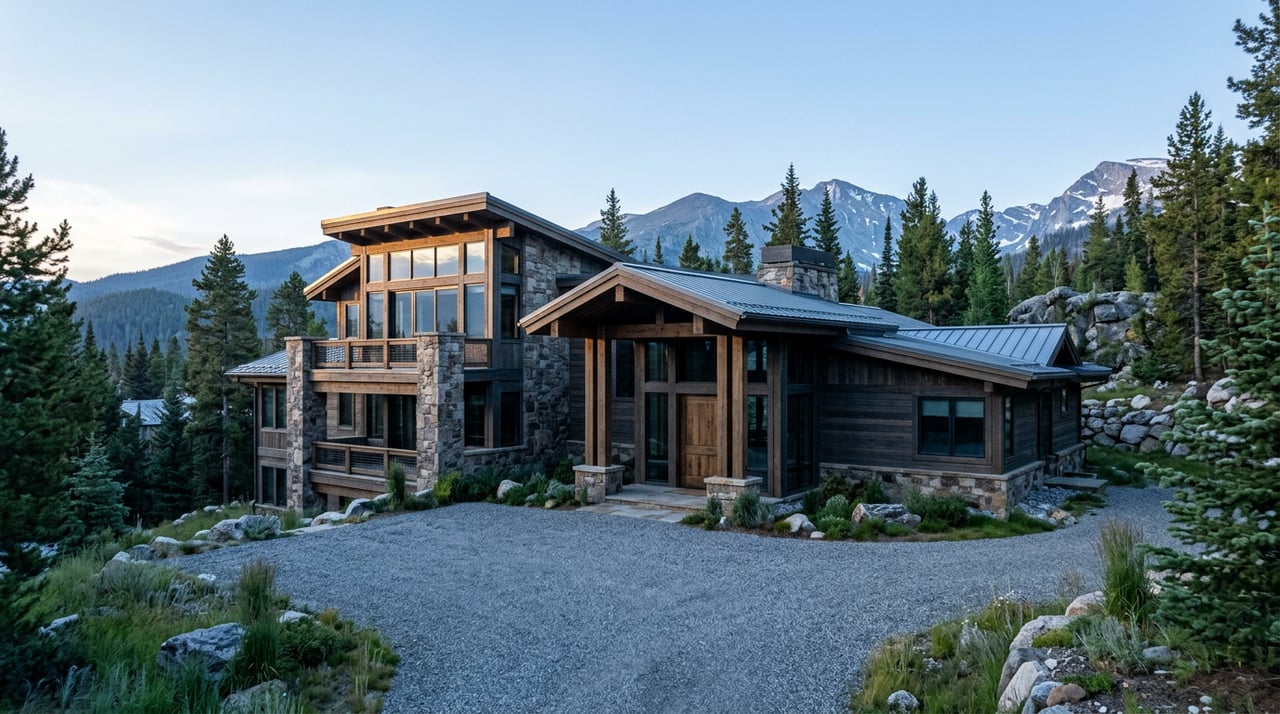
Trying to choose between Boulder and the Denver suburbs can feel like picking between two very different versions of Colorado living. You may want quick trail access, an easier commute, more house for the money, or a mix of all three. The right answer depends on how you actually live day to day, not just which place sounds best on paper. This guide will help you compare Boulder with key north Denver suburbs so you can choose your home base with more confidence. Let’s dive in.
Start With Your Daily Routine
When you compare Boulder with north Denver suburbs like Broomfield, Westminster, Thornton, and Northglenn, the biggest differences often show up in your everyday schedule. Where you work, how often you drive, and how much you value nearby recreation can all shape the better fit.
Boulder tends to work well if you want a more compact lifestyle. The city supports shorter local trips with transit, biking, and walkable access to parks and open space. According to the City of Boulder recreation guide, Boulder has more than 45,000 acres of open space, more than 150 miles of hiking trails, 155 miles of trails, and more than 60 parks.
The north Denver suburbs often appeal to buyers who want more space and a more suburban housing pattern. In many cases, these communities also make sense if your household needs access to both Boulder and the broader Denver metro. The tradeoff is that recreation and daily destinations may feel more spread out, and commuting often relies more on major corridors.
Boulder Lifestyle and Access
Boulder stands out for buyers who want outdoor access built into daily life. If being able to head out for a walk, bike ride, or trail outing without a long drive matters to you, Boulder has a strong advantage.
The city notes that the Boulder Creek Path is a 5.5-mile multi-use path running through downtown and toward Boulder Canyon. That kind of in-town recreation network supports a lifestyle where nature feels closely tied to your routine.
Transportation is another part of Boulder’s appeal. The HOP bus runs every 12 minutes on weekdays, and Boulder promotes bike and e-scooter connections to transit as part of reducing single-occupant trips. For some buyers, that makes Boulder a practical fit, not just a scenic one.
Who Boulder Often Fits Best
Boulder may be the better choice if you prioritize:
- Immediate access to open space and trails
- A more bike- and transit-friendly daily routine
- A more compact city feel
- A mix of housing types in established residential areas
- Living close to Boulder-based work, recreation, or campus destinations
Boulder’s land use framework describes residential areas as a mix of single-family homes, townhouses, multiplexes, and apartments, with many areas including varied housing types. You can review that in the Boulder Valley Comprehensive Plan.
North Denver Suburbs Lifestyle and Flexibility
If your goal is more house for the money or easier access to multiple job centers, north Denver suburbs may deserve a closer look. These communities often provide a more traditional suburban setup, with detached homes playing a larger role in the housing mix.
Broomfield is a strong example of a commuter-oriented location. The city reports that 86% of residents travel outside the area for work, while 88% of Broomfield-based employees travel into the city and county. That says a lot about how central mobility is to daily life there.
Westminster also offers several transportation options, including park-n-rides, Flatiron Flyer service, B Line commuter rail, and more than 180 miles of bicycle and trail facilities. If your work and life are spread across the Boulder-Denver corridor, that flexibility can matter.
Who the Suburbs Often Fit Best
A north Denver suburb may be the better choice if you want:
- More square footage or lot size for your budget
- A stronger chance of finding detached-home options
- Access to both Boulder and Denver commuting routes
- Suburban trail and park systems rather than one concentrated outdoor network
- A location that supports a split commute within the metro area
These areas still offer meaningful outdoor access. Broomfield says it has more than 8,000 acres of private and public open lands and 290 miles of bike and walking trails, while Westminster reports more than 180 miles of bicycle and trail facilities. The difference is less about whether recreation exists and more about how concentrated and immediate it feels.
Compare Commute Patterns Carefully
If commute planning is high on your list, look closely at the US-36 corridor. It is the main regional connection point between Boulder and Denver.
According to CDOT, the US 36 Express Lanes connect Boulder to Denver at I-25 from Federal Boulevard in Westminster to Table Mesa Drive in Boulder. CDOT also notes that RTD’s Flatiron Flyer provides high-frequency service between downtown Denver and Boulder, serving Westminster, Broomfield, Superior, and Louisville.
That makes Broomfield and Westminster especially worth considering if your household has jobs, appointments, or regular routines in both Boulder and Denver. If your daily life is mostly centered in Boulder itself, Boulder may reduce the need for corridor commuting in the first place.
A Simple Commute Framework
Use this quick framework as you compare options:
- Choose Boulder if most of your routine is in Boulder and you want shorter local trips.
- Choose Broomfield or Westminster if you need a middle ground along the Boulder-Denver corridor.
- Consider other north-metro suburbs if budget is the top priority and you are comfortable with a more car-dependent routine.
Look Beyond Median Price Alone
Price matters, but the gap is not as simple as many buyers expect. Boulder is generally more expensive, yet not every nearby suburb creates major savings.
As of February 2026, Redfin market data shows Boulder with a median sale price of $807,000. In this north-metro comparison set, Westminster was $534,500, Thornton was $526,900, Northglenn was $470,000, and Broomfield was $599,900. At the same time, Boulder-adjacent Louisville was $840,500 and Erie was $809,750.
The key takeaway is that the price gap is real, but not uniform. Some north Denver suburbs may offer meaningful budget relief compared with Boulder, while some Boulder-adjacent communities now sit at or above Boulder pricing.
Housing Mix Matters Too
Price is only one side of the decision. The type of home you want can be just as important.
Broomfield’s 2023 Housing Needs Assessment says 63% of the city’s housing stock is single-family detached. Apartments and condos make up smaller shares, though the report notes that newer development is bringing more variety over time.
Westminster is also working to broaden its housing mix. The city’s revised comprehensive plan calls for more opportunities for paired homes, townhomes, and smaller-format single-family homes.
If you want a more traditional detached-home search, the suburbs may give you more options. If you want a compact setting with a wider mix of housing forms, Boulder may align better.
How To Choose Your Home Base
If you are still deciding, focus on the factors that shape your week, not just your weekend. A beautiful home base should also support your schedule, budget, and long-term plans.
Ask yourself:
- Do you want daily access to trails and open space without driving far?
- Will your household commute mainly to Boulder, mainly to Denver, or to both?
- Is your top priority maximizing budget, reducing commute friction, or improving lifestyle access?
- Are you looking for a detached home, a townhome, or a more compact housing option?
- Do you want a city feel, a suburban feel, or a middle-ground location?
For many relocators, Boulder is the lifestyle-first choice. Broomfield and Westminster often work as practical middle-ground options. Other north Denver suburbs may appeal if getting more space at a lower price point is the main goal.
A Smart Next Step
The best way to choose between Boulder and the Denver suburbs is to compare your real options side by side. That means looking at commute patterns, home types, pricing, and the feel of each area through the lens of your actual routine.
If you want guidance tailored to your move, Christina Watson offers a white-glove, data-informed approach to buying and selling across Boulder County and the North Denver metro. Whether you are relocating, upsizing, or narrowing your search, having a local advisor can make the decision much clearer.
FAQs
How does Boulder compare to north Denver suburbs for commuting?
- Boulder often works best for shorter local trips and a more multimodal lifestyle, while suburbs like Broomfield and Westminster can be a strong fit if you need access to both Boulder and Denver via the US-36 corridor.
How does Boulder compare to north Denver suburbs for home prices?
- Boulder is generally more expensive, with a February 2026 median sale price of $807,000, while Westminster, Thornton, Northglenn, and Broomfield were lower in the cited market data, though some nearby communities like Louisville and Erie were at or above Boulder pricing.
How does Boulder compare to Broomfield and Westminster for outdoor access?
- Boulder offers especially concentrated access to open space, trails, parks, and paths close to daily life, while Broomfield and Westminster also have strong trail systems but with a more suburban and dispersed feel.
How does Boulder compare to north Denver suburbs for housing types?
- Boulder includes a broader mix of housing types in many residential areas, while places like Broomfield still lean more heavily toward single-family detached homes.
How should relocators choose between Boulder and the Denver suburbs?
- Start with your daily routine, budget, commute needs, and preferred home type, then compare neighborhoods and available homes based on how you actually plan to live.