Wondering what day-to-day life in Boulder actually feels like if you want trails, bike access, and outdoor time woven into your routine? Boulder stands out because the outdoors here is not just a weekend plan. It is built into how many people move through the city, spend their evenings, and shape their home search. If you are considering a move, this guide will help you picture what everyday life in Boulder can look like for outdoor-focused homeowners. Let’s dive in.
Outdoor Living Shapes Daily Life
Boulder has the kind of setting that makes outdoor time feel accessible on a normal Tuesday, not just on a holiday weekend. According to the City of Boulder community overview, the city has more than 108,000 residents, over 45,000 acres of preserved open space, more than 150 miles of trails, and 300-plus days of sunshine each year.
That combination creates a rhythm that many buyers notice right away. You can plan an early trail outing, bike across town, or spend time at a neighborhood park without feeling like outdoor recreation requires a major production. For homeowners, that often becomes part of the appeal of living here long term.
Trails Are Part of the Routine
Boulder Open Space and Mountain Parks maintains 162 miles of trails, 37 trailheads, and 77 access points. The city notes that these lands support hiking, biking, climbing, birdwatching, photography, and quiet time, which says a lot about how broad the outdoor lifestyle can be.
In practical terms, that means your routine may naturally include checking trail access before work, heading out for a quick afternoon hike, or choosing a home with easier access to favorite recreation areas. Outdoor living in Boulder tends to feel integrated, not separate.
Convenience Comes With Some Planning
Easy access does not mean zero effort. The city notes that trail conditions, closures, muddy-trail alerts, and busy weekend trailheads are a normal part of the experience, so checking conditions ahead of time becomes part of the local routine.
That kind of planning is useful for homeowners thinking beyond the postcard version of Boulder. If outdoor access matters to you, it helps to think about how often you want to walk, bike, or drive to your preferred trailheads and recreation spaces.
Parks Add Everyday Flexibility
Trails are only part of the picture. Boulder also manages more than 80 parks and recreation facilities, which expands your options for everyday outdoor time.
Depending on your routine, that could mean nearby parks, playgrounds, picnic areas, dog parks, or casual green space for a walk after dinner. For many homeowners, that variety matters just as much as mountain access because it supports a more flexible daily lifestyle.
Getting Around Boulder
If you prefer a car-light lifestyle, Boulder gives you more options than many Front Range cities. The city says Boulder has more than 300 miles of bikeways, along with a connected system of multi-use paths that supports biking as a practical way to move through town.
That can affect the way you evaluate location when buying a home. Some buyers want quick driving access to trails, while others care more about being able to bike to downtown, parks, or errands without relying on a car for every trip.
Bike Access Is a Real Lifestyle Feature
Biking in Boulder is not just recreational. It is part of daily movement for many residents, and the city’s network helps connect neighborhoods, parks, and commercial areas.
The city also notes that Class 1 and Class 2 e-bikes are allowed on certain OSMP trails, which may matter if you want more flexibility in how you explore outdoor spaces. If biking is central to your routine, nearby path access can be an important feature to prioritize in your home search.
Downtown Supports Walkability
Boulder’s pedestrian-friendly core helps balance the city’s outdoors-focused identity with convenience and energy. The Pearl Street Mall is a four-block pedestrian district with shopping, dining, services, entertainment, and RTD access.
That makes it easier to picture a lifestyle where a trail morning can turn into lunch, errands, or an evening out without a long drive across town. For buyers relocating from larger metro areas, this compact setup often feels like a strong middle ground between urban convenience and outdoor access.
Transit and Mixed-Use Areas Expand Options
Boulder Junction adds another layer to that lifestyle. The city describes it as a transit-oriented, mixed-use district planned around pedestrian-friendly growth and regional transit connections.
Seasonal access options help too. In summer, Boulder offers a free Park-to-Park shuttle to and from Chautauqua, showing that some of the city’s most popular outdoor destinations are supported by more than one transportation option.
What Homeowners Should Expect Seasonally
Boulder’s climate supports year-round outdoor activity, but it also rewards flexibility. According to NOAA climate normals for Boulder, the average annual high is 65.7°F, the average annual low is 37.3°F, and annual snowfall is 92.8 inches.
January normal temperatures are 47.0°F for highs and 21.5°F for lows, while July normal temperatures are 88.0°F and 57.0°F. Those numbers help explain why Boulder can support both a strong winter routine and a very active summer patio and trail season.
Colorado Weather Requires Flexibility
The city emphasizes that weather can change quickly, and Boulder’s open-space guidance advises people to have backup plans. Winter trails may be icy, and conditions can shift fast.
For homeowners, this usually means keeping layers handy, starting early when needed, and staying ready to adjust plans. If you love being outside, Boulder supports that lifestyle well, but it also asks you to stay a little adaptable.
Snow Is a Normal Part of Ownership
Snow is not an occasional surprise in Boulder. The city says Boulder typically sees 25 to 46 snowfalls annually, and adjacent sidewalks for homes and businesses must be cleared within 24 hours after snowfall stops.
That is an important quality-of-life detail if you are moving from a milder climate. Homeownership here often includes snow tools, winter maintenance routines, and an understanding that paths and bike routes are part of the city’s response priorities.
Summer Brings Long Outdoor Days
On the other side of the calendar, Boulder’s 300-plus sunny days help support patios, biking, and outdoor dining throughout much of the year. That sunshine is one reason the city’s pedestrian areas and recreation spaces stay so active.
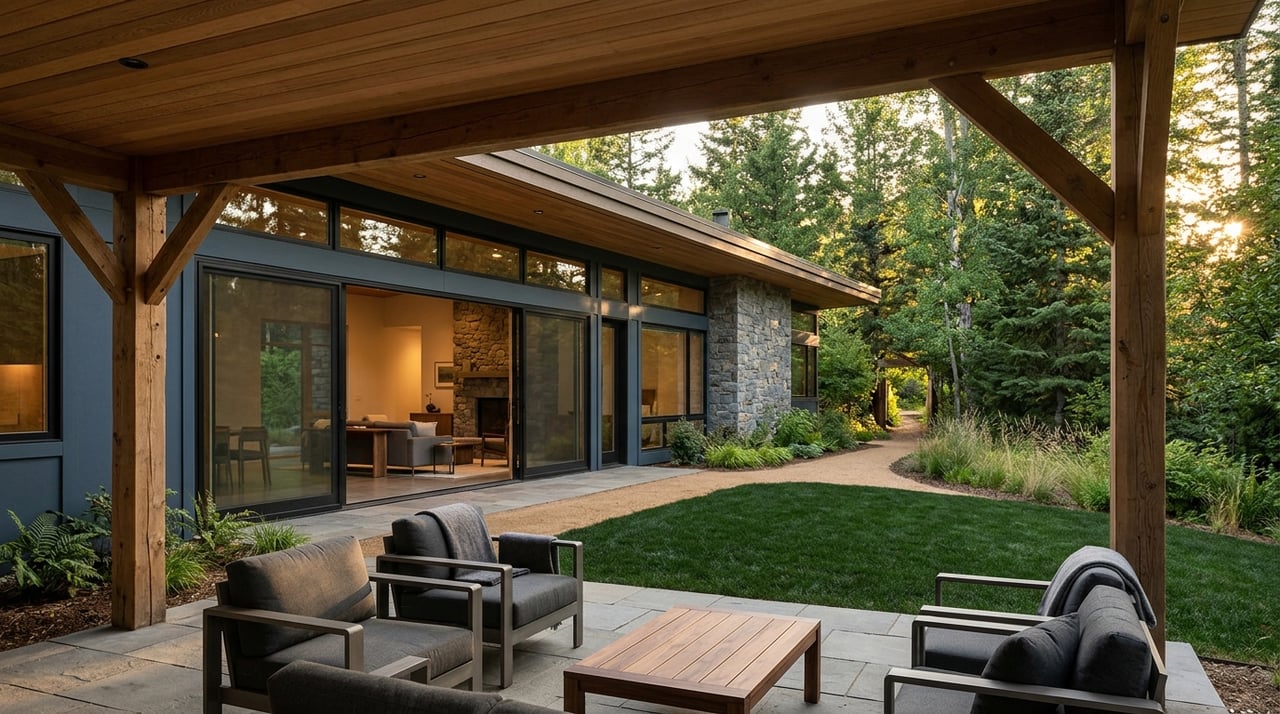
For many homeowners, summer in Boulder means a natural extension of indoor living. It becomes easier to picture mornings outside, evenings on a patio, and a routine that takes advantage of long daylight hours.
Downtown, Food, and Culture
Outdoor-focused buyers often want more than trail access alone. Boulder stands out because the city also offers a lively downtown, a visible arts scene, and a food culture tied to local production.
That mix can make daily life feel more complete. You are not choosing between outdoor access and city energy as much as choosing how close you want to be to each part of the experience.
Pearl Street Adds Energy
The city describes Pearl Street Mall as a downtown anchor with restaurants, shops, lodging, services, entertainment, and events. On many evenings, the area becomes an outdoor stage for musicians and street performers.
For homeowners, that creates an easy transition from activity to leisure. A day outdoors can end with dinner, people-watching, or live entertainment in a walkable setting.
Food Culture Feels Local
Boulder also highlights a food scene centered on local ingredients, garden-to-table offerings, and interest in a year-round farmers’ market through its agriculture and food programs. That local focus adds to the city’s everyday appeal.
If you enjoy a lifestyle built around outdoor time, fresh food, and neighborhood-scale experiences, Boulder’s dining culture may feel especially aligned with what you want from home base.
Arts Stay Visible Year-Round
Boulder’s Office of Arts and Culture supports public art, grants, walking tours, and Arts in the Park programming. The city also notes that Boulder was ranked No. 14 among the nation’s most arts-vibrant communities for 2025 by SMU DataArts.
That means Boulder’s appeal is not limited to scenery. Public art, performances, and creative programming help make the city feel active and layered throughout the year.
How Boulder Fits the Front Range
Boulder offers a distinct lifestyle, but it also stays connected to the broader region. The city says Boulder is within a 35-minute drive of downtown Denver and a 45-minute drive of Denver International Airport.
That regional access matters if you travel often, commute occasionally, or want to stay connected to the wider Front Range while living in a more compact, trail-centered city. For many buyers, Boulder works because it feels self-contained without feeling isolated.
Boulder Compared With Nearby Options
Based on official city descriptions in the research, Boulder reads as the most concentrated trail-plus-downtown option nearby. Denver offers a much larger urban experience, while cities like Louisville and Longmont pair outdoor access and arts amenities at a smaller scale.
That does not make one place better than another. It simply helps clarify what Boulder tends to offer best: a compact feel, strong recreation access, and a lively pedestrian core that can support an active daily routine.
What This Means for Your Home Search
If you are shopping for a home in Boulder, lifestyle fit matters as much as square footage. You may want to think about how often you expect to use trails, bike paths, downtown amenities, parks, or transit connections during a normal week.
That is where a local, service-first approach can help. A thoughtful home search is not just about finding a property. It is about matching your routine, priorities, and pace of life to the right part of Boulder.
If you are exploring a move to Boulder or comparing it with nearby communities, Christina Watson can help you build a clear, personalized plan around how you actually want to live.
FAQs
What is everyday outdoor access like for homeowners in Boulder?
- Boulder offers over 45,000 acres of preserved open space, more than 150 miles of trails citywide, and 162 miles of trails within Open Space and Mountain Parks, making outdoor access part of normal daily life.
How easy is it to bike around Boulder as a homeowner?
- Boulder has more than 300 miles of bikeways and a connected network of multi-use paths, so biking can be a practical transportation option for errands, commuting, and recreation.
What kind of weather should Boulder homeowners expect year-round?
- NOAA normals show warm summers, cool winters, and annual snowfall of 92.8 inches, so homeowners should expect four seasons, changing conditions, and regular winter maintenance.
What is downtown Boulder like for outdoor-focused residents?
- Downtown Boulder centers on Pearl Street Mall, a pedestrian district with restaurants, shopping, entertainment, and RTD access, making it easy to pair outdoor time with dining and local events.
How close is Boulder to Denver and the airport?
- According to the City of Boulder, Boulder is about a 35-minute drive from downtown Denver and about 45 minutes from Denver International Airport.